“Wear and tear, not weather.”
The most common denial in Texas. An adjuster sees granule loss and calls it age. Without dated impact photos and marked test squares, you have no way to argue otherwise.
Storm damage
Most hail-damaged roofs don't leak the week of the storm. They leak two winters later, long after the claim window closed. Here's what actually happens up there, and why the paperwork matters as much as the shingles.
What hail does
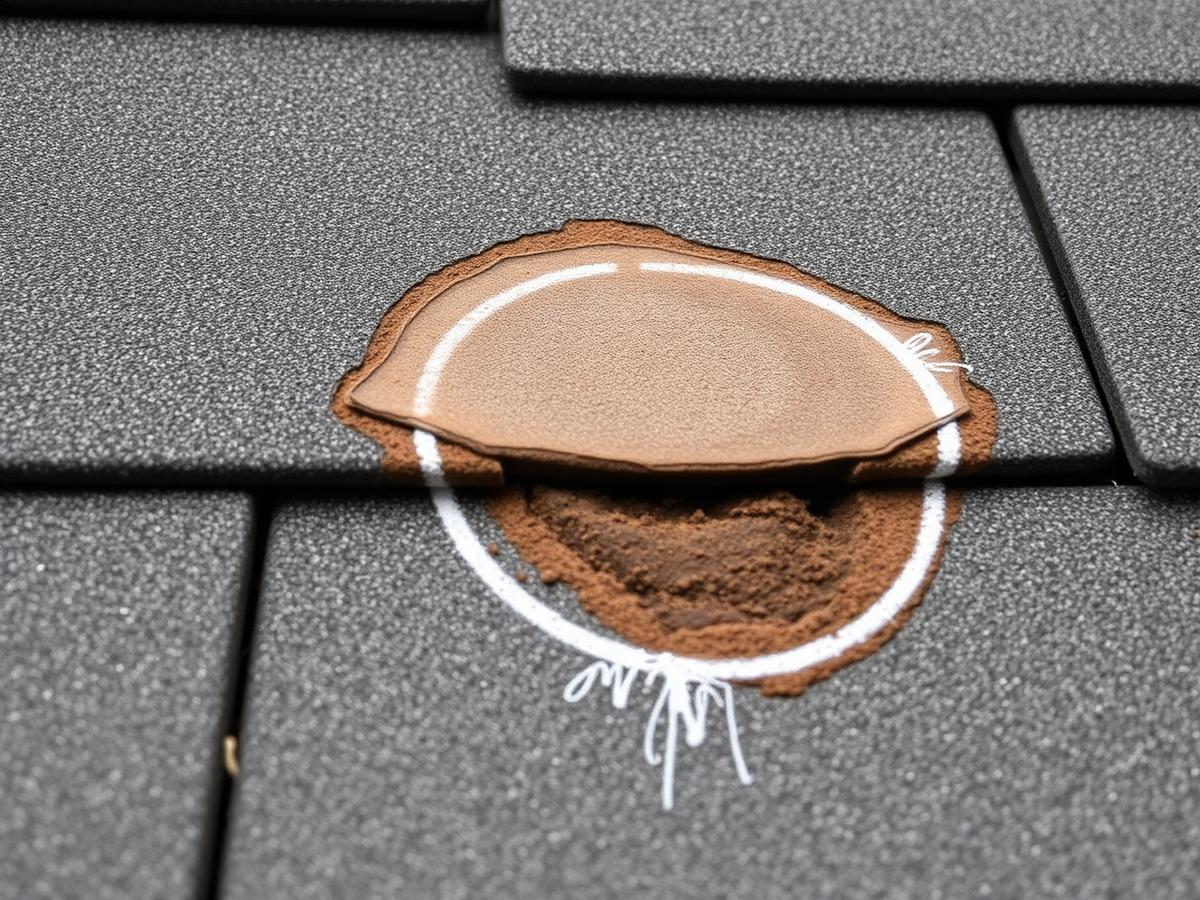
An architectural shingle is a fiberglass mat soaked in asphalt and armored with ceramic granules. Those granules are the sunscreen. When a stone hits hard enough, it knocks them loose and fractures the asphalt underneath — a bruise. Press it and it feels soft, like the bottom of a ripe piece of fruit.
Nothing leaks yet. But the exposed mat now bakes in the Texas sun, and the fracture works itself open through every freeze and heat cycle. A roof with twenty impacts per square has effectively lost half its remaining service life on the day of the storm.
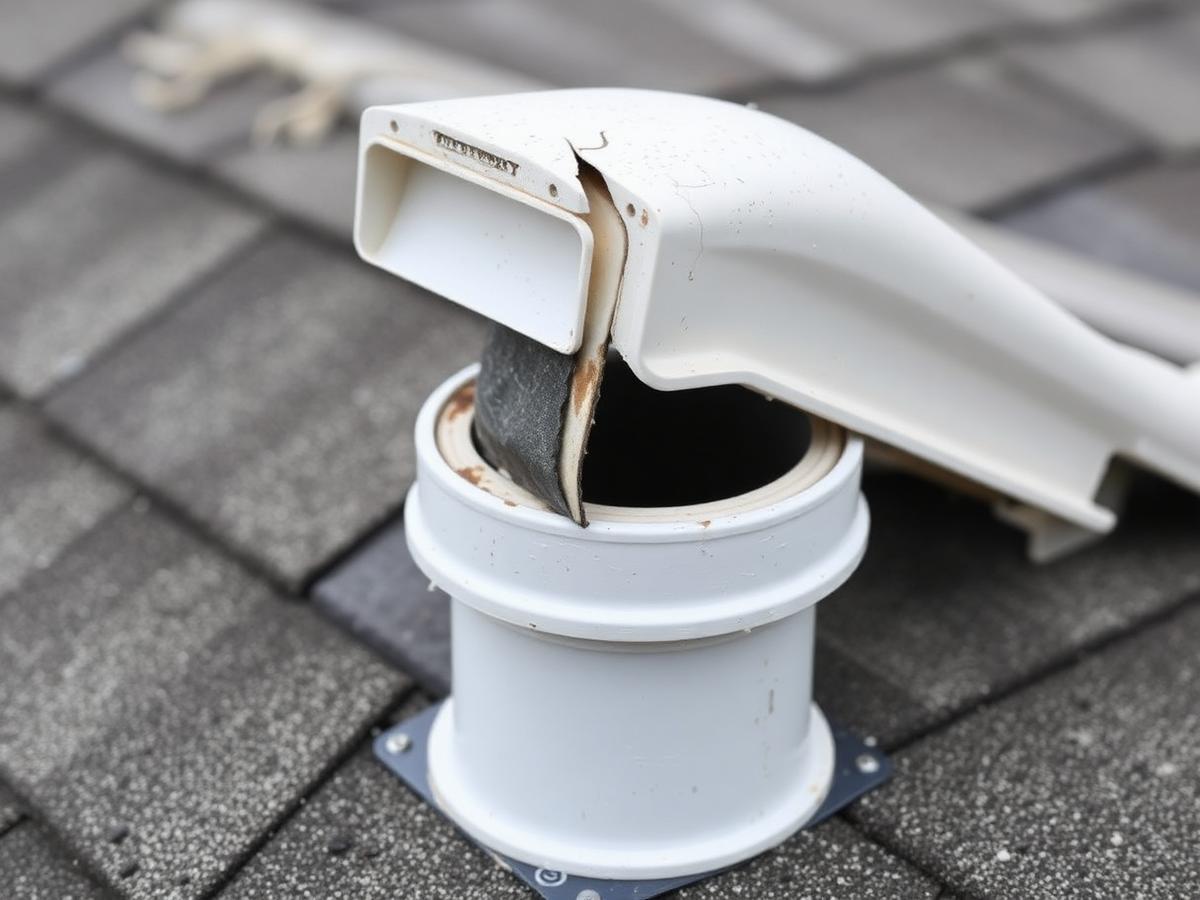
Hail also hits everything else: pipe boots crack, ridge vents split, flashing dents, and gutter faces pockmark. Those soft-metal hits are the cleanest evidence an adjuster can see, which is why we photograph the vents and the condenser before we ever touch the shingles.
Fractured mat under the granules. Invisible from the ground.
Impact breaks the tar strip, and the next wind event lifts the tab.
Why claims get denied
None of these mean your roof is fine. They mean the file wasn't built well enough to argue with.
The most common denial in Texas. An adjuster sees granule loss and calls it age. Without dated impact photos and marked test squares, you have no way to argue otherwise.
If you can't tie the damage to a specific storm the carrier recognizes, the file stalls. We pull the verified hail report for your zip code and attach it.
Some Texas policies carry a cosmetic damage exclusion for metal. It rarely applies to a bruised shingle mat, but it gets cited anyway. Documentation is how it gets removed.
Carriers can deny for prejudice caused by delay. Every month you wait, the argument gets easier for them and harder for you.
Documentation
A Haag Certified inspection isn't someone walking around with a phone. We chalk a ten-by-ten test square on each slope, count the impacts inside it, and photograph every one with a date stamp and a gauge for scale. We measure the stones' directional pattern to confirm the storm they came from.
That report goes to you first. If there isn't enough damage to support a claim, we tell you that and you keep the report for your file. If there is, the adjuster arrives to a package he can approve rather than a roof he has to interpret.
Waiting
Texas carriers generally require prompt notice, and most policies impose a one-year deadline from the date of loss. Miss it and the damage becomes a maintenance problem you pay for entirely.
Before the deadline, the roof keeps degrading. Bruises open. Water reaches the decking. Now you're replacing plywood, insulation, and drywall — and the carrier can argue the interior damage came from neglect, not the storm.
If your date of loss is more than nine months old, call today. Those files still get approved, but they need to be built carefully.